The question comes up in almost every renovation: is it worth paying more for a decorative plaster, or should I stick with emulsion paint? The honest answer: it depends on the wall. Below you'll find the comparison across the criteria that genuinely matter, so you can make an informed decision.
Upfront cost vs. lifetime cost
Emulsion paint clearly wins on upfront cost: little material, fast application, affordable labour. But the full calculation tells a different story.
An ordinary paint is refreshed, on average, every 4–6 years: it scratches, it stains, the colour tires. A decorative plaster applied correctly and protected — for example Decorative Concrete with an impregnator — lasts 15–20 years without major intervention. Over the lifetime of the finish, the cost difference melts away, and from the second repaint avoided onwards, the plaster actually becomes the more economical option.
Appearance: flat vs. depth
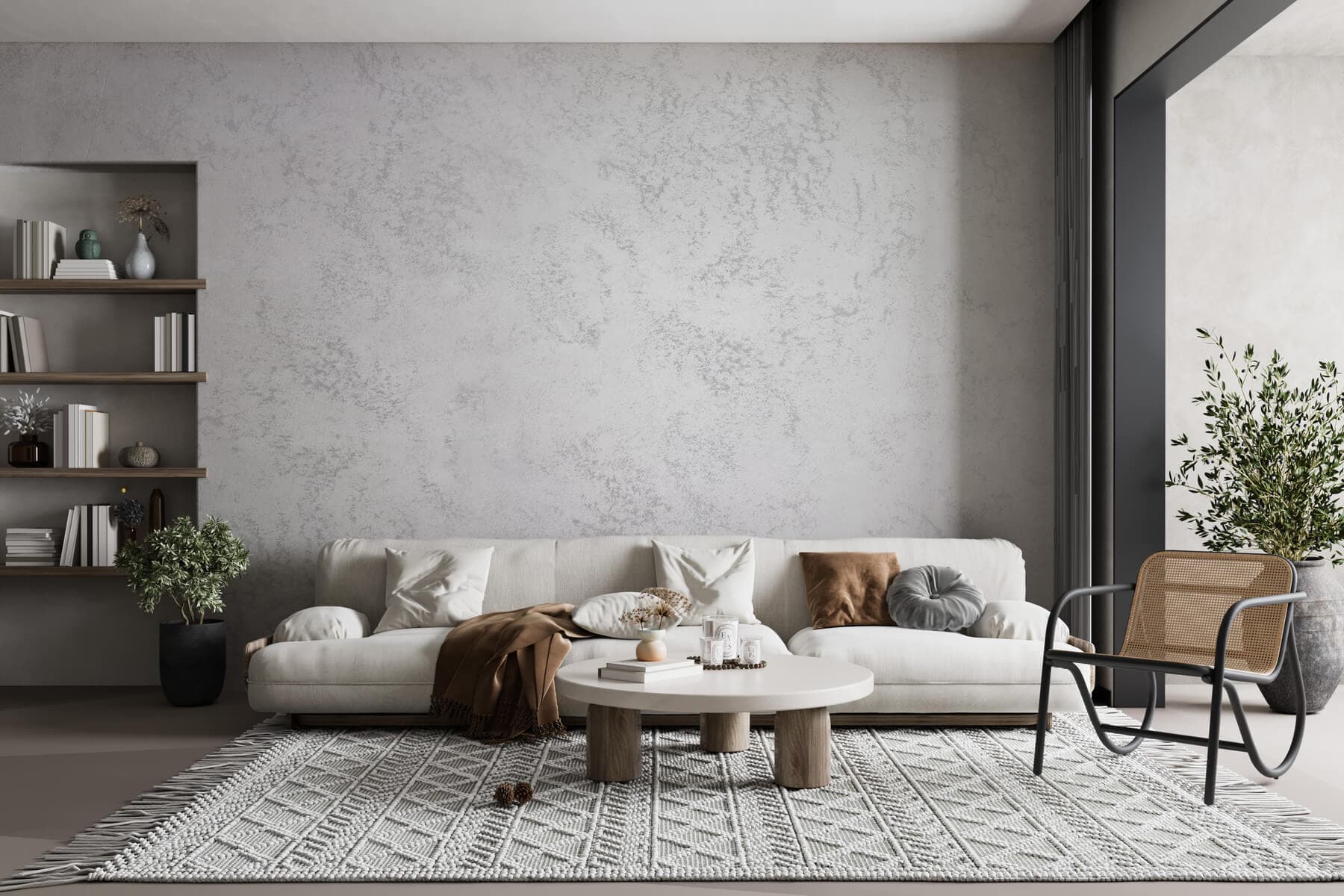
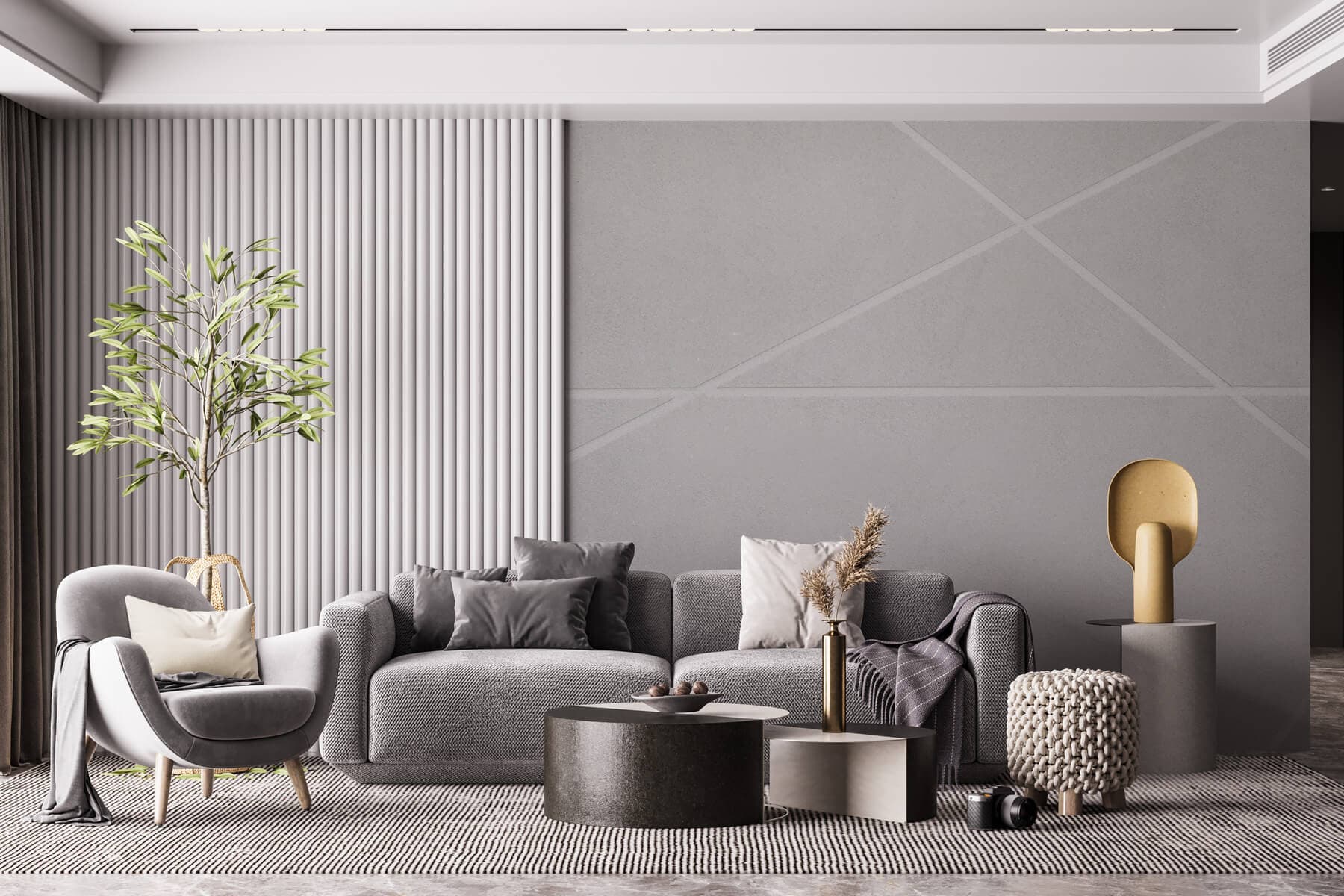
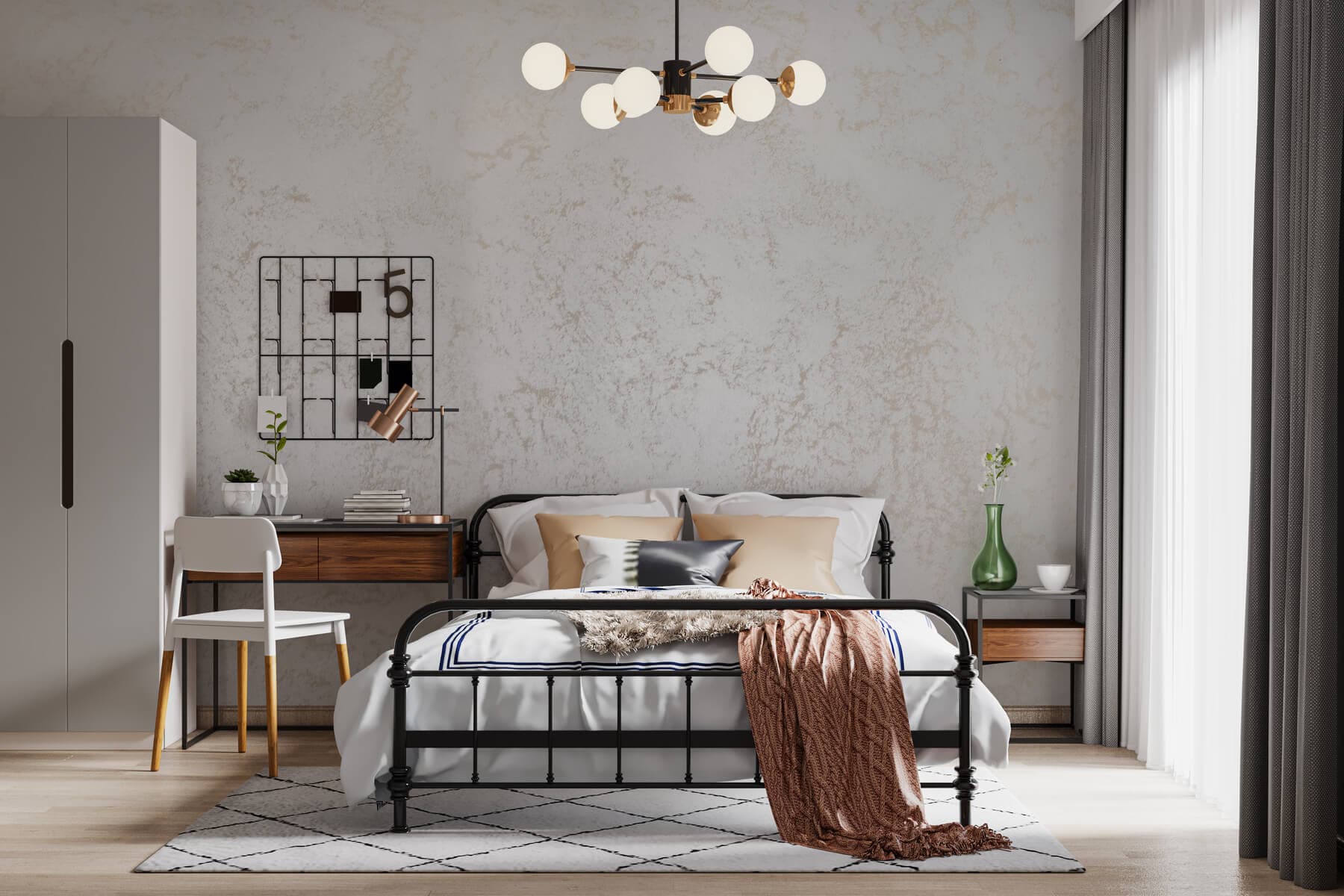
Here there is no contest. Paint offers colour; decorative plaster offers material: depth, texture, play of light. A Diamento wall changes its character from morning to evening. A Velur surface has the warmth of velvet. These are effects no flat paint can reproduce, whatever the shade.
It's worth saying the reverse too: not every wall needs personality. In small rooms or on secondary surfaces, a quality matte ceramic paint — stain-resistant, with excellent coverage — is exactly what's called for.
Day-to-day maintenance
- Emulsion paint: wipes clean easily, but scratches and touch-ups stay visible (fresh paint differs from aged paint).
- Protected decorative plaster: wipes just as easily, and small marks of wear blend naturally into the texture — it's precisely the irregularity of the effect that makes it forgiving.
The perceived value of the home
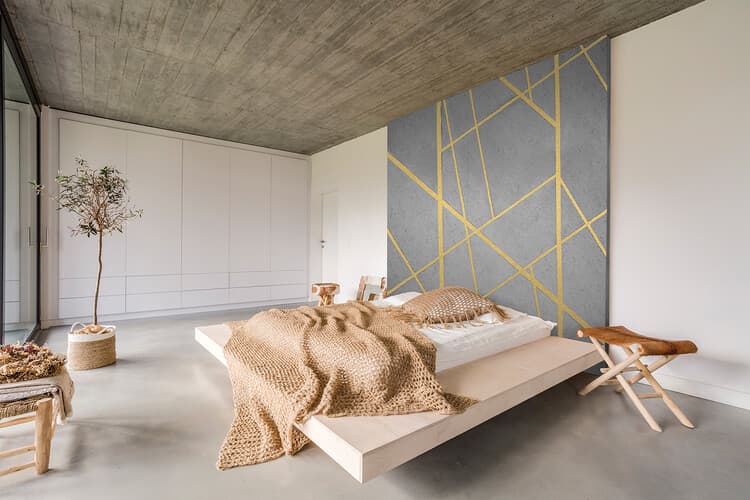
Estate agents confirm it consistently: textured finishes photograph spectacularly and raise the perception of the entire home. A living room with an accent wall in concrete effect or Industrial Rust stays in a buyer's mind differently than "the white-walled apartment no. 7."
The practical verdict
The strategy with the best investment-to-effect ratio, the one we recommend most often:
- Accent walls (1–2 per home): decorative plaster — where the eye comes to rest.
- The remaining surfaces: quality matte paint, in shades that support the main effect.
That's how you achieve a premium interior on a controlled budget — and every penny invested shows.
Want to know what it would cost in your case? Send us the dimensions and a few photos — we'll reply with a consumption estimate and a recommendation for the complete system, from primer to final protection.