A well-chosen decorative finish lasts for decades and defines the mood of a room more than any piece of furniture. A poorly chosen one becomes a compromise you look at every day. The difference comes down to three simple criteria, which we walk through below, room by room.
The three criteria that matter
1. Traffic and wear. A narrow hallway where bags, children and pets pass through every day demands different durability than the wall behind the bed. For high-use areas, choose ceramic or acrylic finishes protected with varnish; for quiet areas, you can go with any effect.
2. Light. Effects with highlights — Diamento, Perla Zen — need directional light to come alive. Matte textures, such as decorative concrete, look excellent even in rooms with diffuse light.
3. Humidity. For bathrooms and kitchens, both the base material (lime breathes naturally) and the final protection matter — the hydrophobic varnish or the wax-based impregnator.
The living room: the main stage
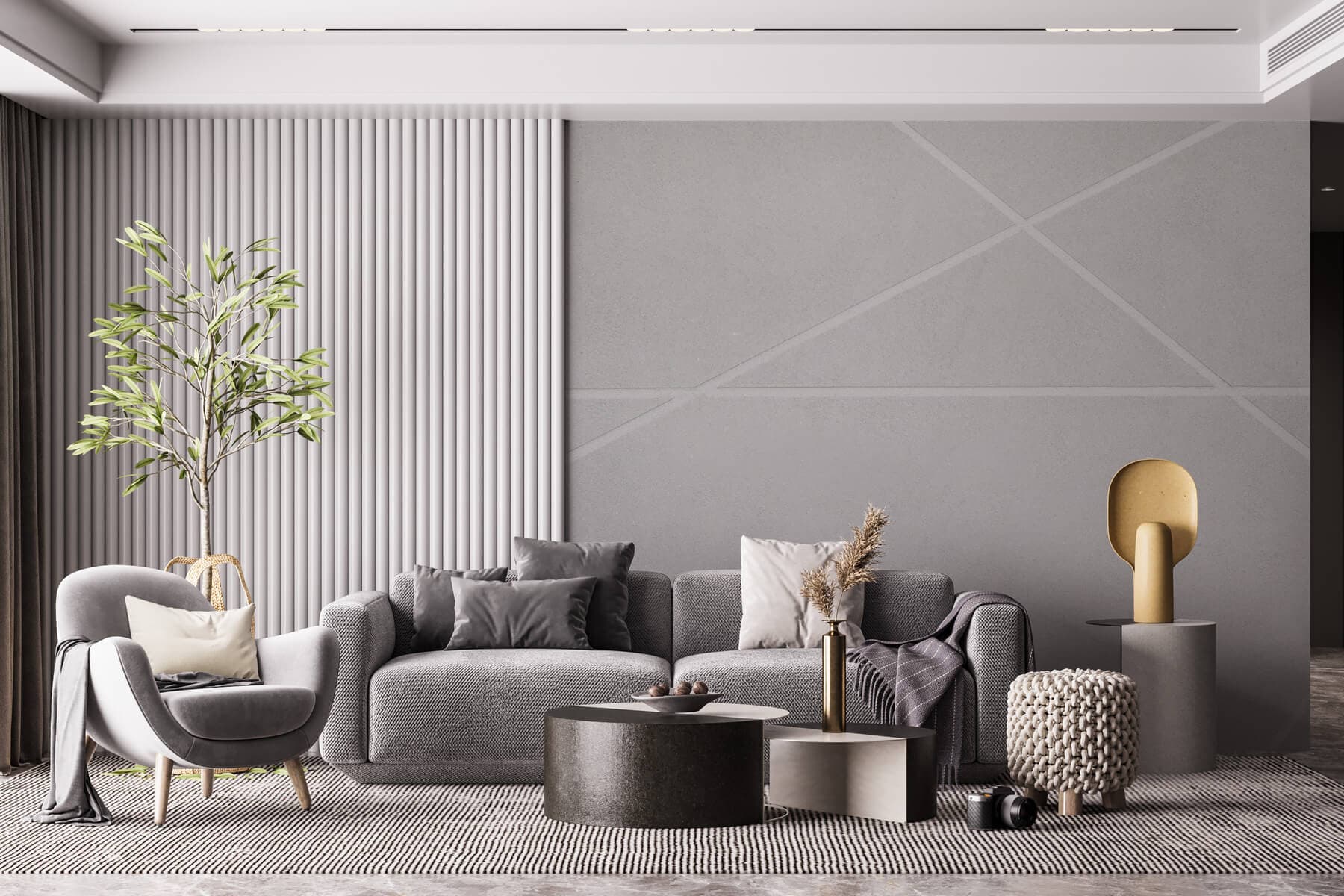
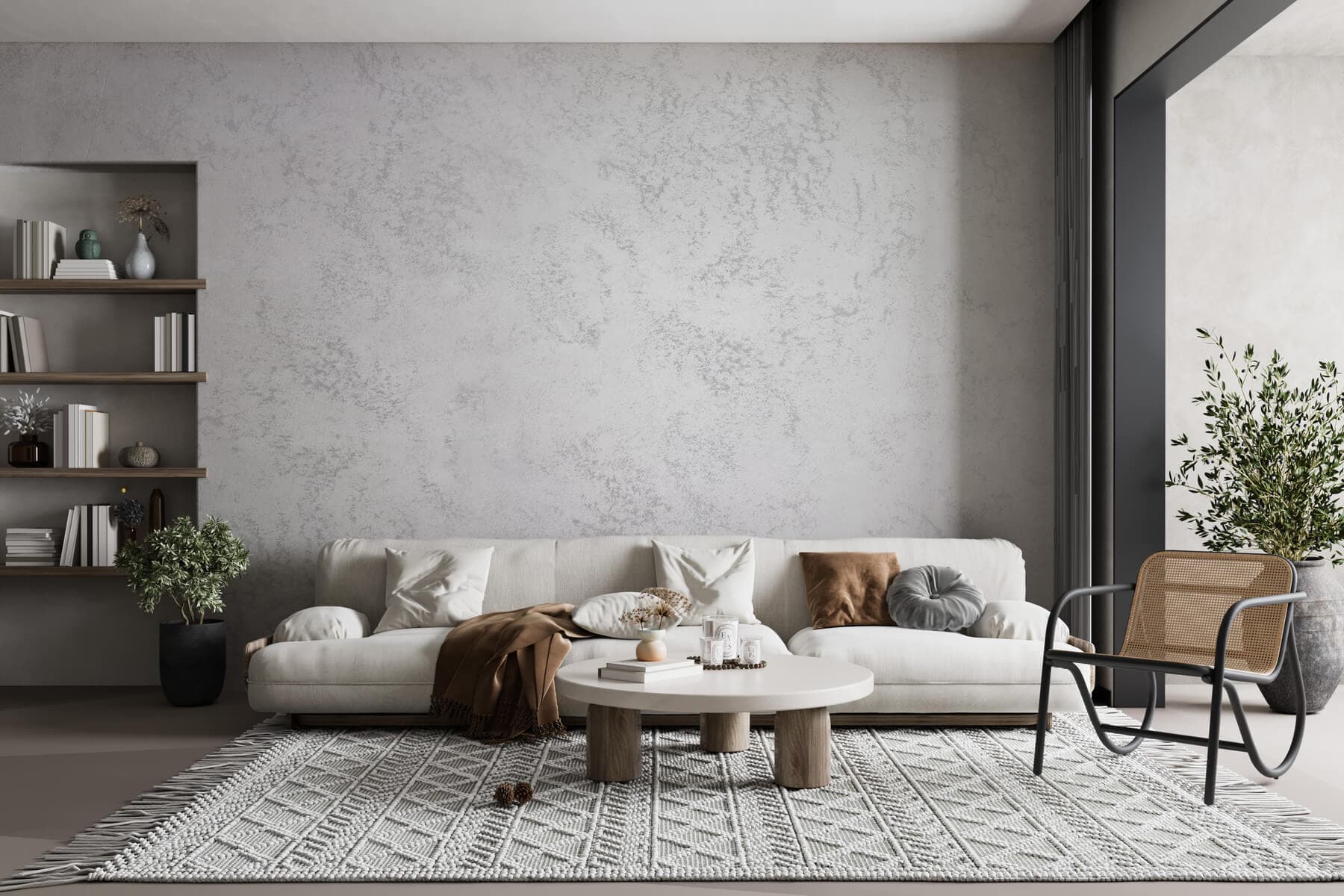
This is where you can afford the bold gesture. An accent wall in Kalahari brings warmth and texture; Decorative Concrete lends an architectural air; and Industrial Rust — the authentic patina of oxidized metal — turns the wall into a gallery piece. The golden rule: one strong effect per room, with the remaining surfaces kept quiet.
The bedroom: soft texture, warm light
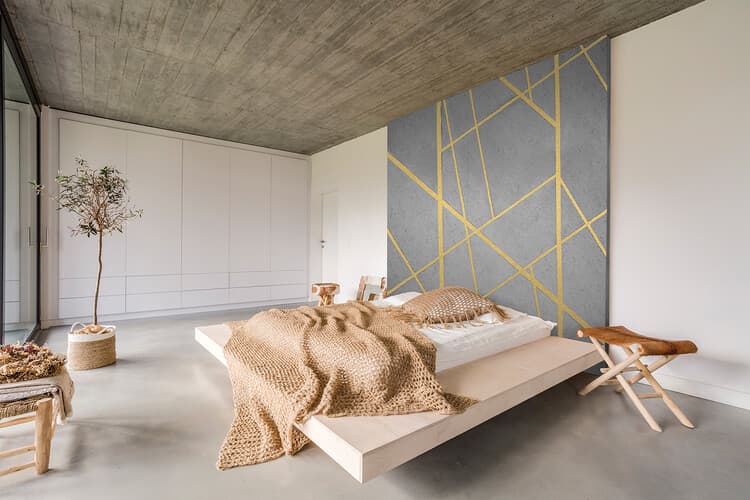
In the bedroom you want finishes that absorb and diffuse light rather than reflect it harshly. Velur — with its velvet-like look — and Kalahari White create exactly that soft backdrop that invites rest. Avoid intense metallic effects on the wall behind the bed; you can move them to a niche or the opposite wall.
The hallway and stairwell: durability above all
Transition zones call for surfaces that forgive. Classic Stucco is the choice proven over centuries — stucco with a fine, lightly satin surface that cleans easily. For a contemporary feel, decorative concrete protected with varnish stands up excellently to repeated touches.
The bathroom: breathability matters
Lime-based, Decorative Concrete and Classic Stucco let the wall breathe — essential in a room full of steam. Properly protected, they handle the high humidity outside the shower zone without any trouble. For the shower enclosure itself, stick to ceramic tiles or glass.
The office: functional personality
Here you can combine the useful with the spectacular: Magnetic Paint turns the wall into an invisible noticeboard, while Whiteboard Paint makes it a brainstorming surface. For the backdrop of video calls, a discreet texture — Velur or Kalahari White — looks flawless on camera.
Conclusion
There is no universal finish; there is the finish that's right for your room. If you'd like a tailored recommendation — with samples, consumption figures and applicators — write us a few lines about your project and we'll come back with a concrete proposal.